

Key Elements of an Effective Emergency Spill Response Plan and Common Pitfalls to Avoid
- robbie jones
- Mar 27
- 4 min read

Spills of hazardous materials can cause serious harm to people, property, and the environment. When a spill happens, the speed and quality of the response can make all the difference. An emergency spill response plan guides teams on how to act quickly and safely to contain and clean up spills. But not all plans work well. Some miss critical steps or lack clear instructions, leading to confusion and delays.
This post explains what makes an emergency spill response plan effective and highlights common mistakes that reduce its usefulness. Whether you manage a facility, work in environmental safety, or are responsible for emergency preparedness, understanding these points will help you build or improve your spill response plan.
What Makes an Emergency Spill Response Plan Effective
An effective spill response plan is clear, practical, and tailored to the specific risks of your site. It prepares your team to act confidently and efficiently when a spill occurs.
1. Clear Identification of Spill Risks and Scenarios
A good plan starts by identifying the types of spills that could happen. This includes:
The kinds of hazardous materials stored or used on site
Possible spill sources such as tanks, pipes, or containers
Spill sizes and locations that could occur
Knowing these details helps you prepare the right equipment and response steps for each scenario.
2. Defined Roles and Responsibilities
Everyone involved in spill response must know their role. The plan should list:
Who detects and reports the spill
Who leads the response team
Who handles containment and cleanup
Who communicates with emergency services or regulators
Clear roles prevent confusion and ensure tasks are completed quickly.
3. Step-by-Step Response Procedures
The plan should provide detailed, easy-to-follow instructions for each stage of the response:
Initial spill detection and notification
Evacuation or safety measures if needed
Containment methods to stop the spill from spreading
Cleanup techniques and disposal of waste materials
Reporting and documentation requirements
Using simple language and checklists helps responders act without hesitation.
4. Availability of Proper Equipment and Supplies
The plan must specify what equipment is needed and where it is stored. This includes:
Spill kits with absorbents, neutralizers, and protective gear
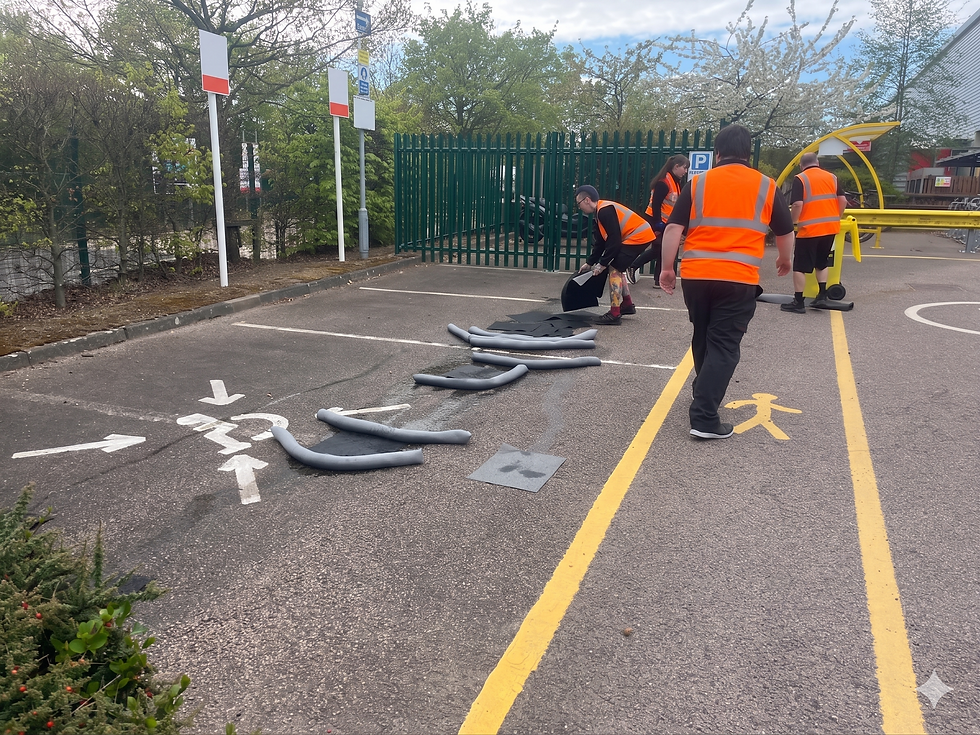
Tools for containment such as booms or barriers
Communication devices for alerting others
Regular checks ensure equipment is ready and accessible.
5. Training and Drills for Response Teams
Even the best plan fails if responders are unprepared. Training sessions and practice drills:
Teach team members how to use equipment and follow procedures
Build confidence and teamwork
Identify weaknesses in the plan or gaps in knowledge
Frequent drills keep skills sharp and improve response times.
6. Communication and Notification Protocols
The plan should outline how to notify:
Internal personnel and management
Local emergency responders and environmental agencies
Nearby communities if there is a risk to public safety
Clear communication prevents misinformation and coordinates efforts.
7. Regular Review and Updates
Hazardous materials, site layouts, and regulations change over time. The plan must be reviewed at least annually or after any spill incident to:
Update contact information and roles
Incorporate lessons learned from drills or real events
Adjust procedures based on new risks or equipment
Keeping the plan current ensures ongoing effectiveness.

Common Pitfalls That Make Spill Response Plans Ineffective
Many spill response plans fail because they overlook key details or are not practical in real situations. Avoid these common mistakes:
1. Vague or Overly Technical Language
Using jargon or unclear terms confuses responders. The plan should use plain language and avoid unnecessary complexity. For example, instead of “initiate containment protocols,” say “use absorbent pads to stop the spill from spreading.”
2. Lack of Specific Roles and Accountability
If the plan does not assign clear responsibilities, responders may hesitate or duplicate efforts. Avoid phrases like “team members should assist as needed.” Instead, name specific roles and tasks.
3. Ignoring Site-Specific Risks
A generic plan that does not address the unique hazards of your site will not prepare responders properly. For example, a plan for a chemical plant should differ from one for a fuel storage facility.
4. Insufficient Training and Practice
Having a plan on paper is not enough. Without regular training and drills, responders may not know how to act or use equipment correctly. This leads to delays and mistakes during an actual spill.
5. Poor Equipment Maintenance and Accessibility
If spill kits are incomplete, expired, or stored in hard-to-reach places, response efforts slow down. The plan must include regular inspections and clear storage locations.
6. Inadequate Communication Procedures
Failing to notify the right people quickly can worsen the spill’s impact. The plan should list contact numbers and communication methods for all relevant parties.
7. Failure to Update the Plan
An outdated plan may miss new hazards or changes in personnel. Without regular reviews, the plan becomes less reliable over time.
Practical Steps to Build or Improve Your Spill Response Plan
Creating an effective spill response plan requires careful planning and ongoing effort. Here are steps to help you get started or enhance your current plan:
Conduct a hazard assessment to identify potential spill sources and materials.
Develop clear procedures for detection, containment, cleanup, and reporting.
Assign roles with specific tasks and backup personnel.
Assemble and maintain spill response kits tailored to your risks.
Train your team regularly and conduct realistic drills.
Establish communication protocols with internal and external contacts.
Schedule periodic reviews to update the plan and incorporate feedback.
Building an emergency spill response plan that works takes time and attention to detail. Avoid vague instructions, unclear roles, and outdated information. Focus on clear, practical steps tailored to your site’s risks. Train your team often and keep equipment ready. This approach will help you respond quickly and safely when spills happen, protecting people and the environment.


Comments