
Enhancing Site Safety: Insights from My Recent Train the Trainer Session on Spill Risks
- robbie jones
- Apr 21
- 3 min read

Spills on industrial sites pose serious threats to health, safety, and the environment. This week, I completed a train the trainer session focused on site-specific spill risks. The experience provided valuable insights into identifying hazards, understanding available equipment, and developing a practical training program for operations staff. Sharing these insights can help others improve safety standards and reduce the impact of spills.
Understanding Site-Specific Spill Risks
Every site has unique characteristics that influence spill risks. During the session, we analyzed the specific layout, materials handled, and environmental factors of the site. This approach helped us identify the most likely spill scenarios and their potential consequences.
Key risks included:
Chemical leaks from cleaning equipment and pipelines
Fuel spills during refueling operations
Unknown packages often arrived at site
Accidental release during material transfer
Hydraulic leaks from MHE
Recognizing these risks early allows for targeted prevention and response strategies. For example, areas near fuel storage required extra attention to secondary containment and quick access to absorbent materials.
Reviewing Available Spill Response Equipment
An essential part of the training was a thorough review of the spill response equipment on site. We inspected items such as:
Absorbent pads and booms
Spill kits with neutralizing agents
Portable containment barriers
Personal protective equipment (PPE) for responders
Emergency communication devices
We found that while most equipment was in good condition, some spill kits needed replenishing. This highlighted the importance of regular inventory checks and maintenance to ensure readiness.
Health, Safety, and Environmental Impacts of Spills
Spills can cause immediate and long-term harm. We discussed how chemical exposure affects workers’ health, including risks of skin irritation, respiratory problems, and poisoning. Safety hazards also arise from slippery surfaces and fire risks.
Environmental damage includes soil contamination, water pollution, and harm to local wildlife. For example, a small fuel spill can seep into groundwater, affecting ecosystems and nearby communities.
Understanding these impacts reinforces why spill prevention and response must be a priority on every site.
Developing a Training Regime for Operations Staff
The core goal of the session was to prepare trainers to roll out an effective training program for operations staff. We focused on practical, hands-on learning that builds confidence and competence.
Key elements of the training regime include:
Hazard identification: Teaching staff to recognize potential spill sources and risks
Equipment use: Demonstrating how to deploy spill kits and containment tools correctly
Emergency procedures: Clear steps for reporting spills and initiating response
Health and safety protocols: Proper use of PPE and safe handling of hazardous materials
Environmental protection: Minimizing spill impact and following cleanup guidelines
We also emphasized the importance of regular drills and refresher courses to keep skills sharp.
Practical Examples from the Session
During the session, we ran through several spill scenarios to practice response techniques:
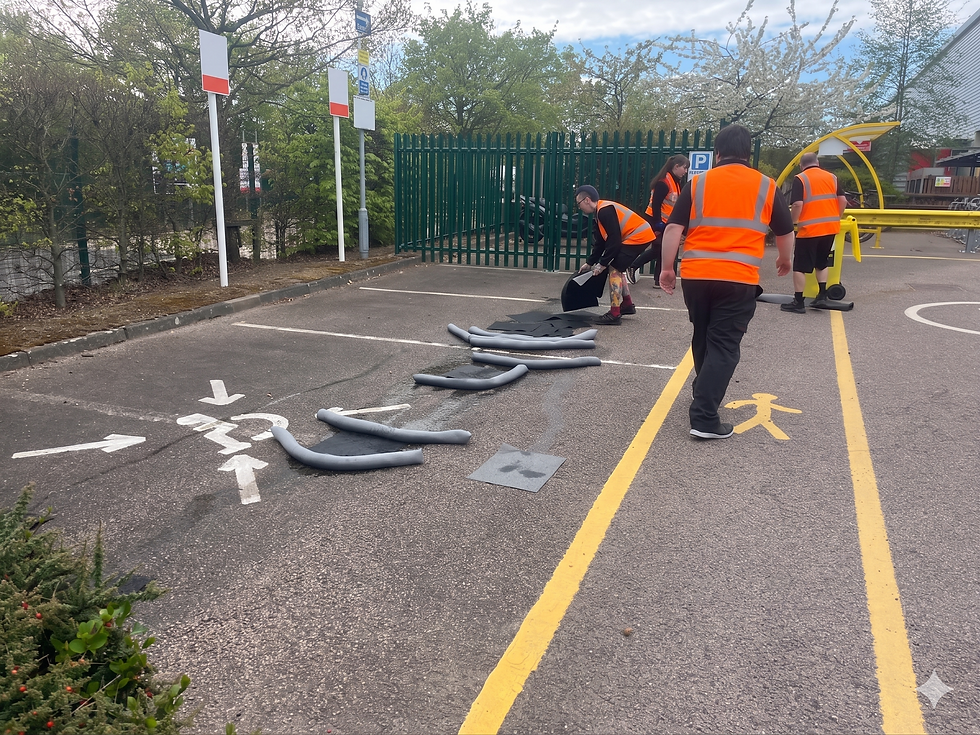
A simulated chemical leak from a valve required quick isolation and containment using absorbent booms.
A fuel spill during refueling was managed by deploying spill pads and notifying the emergency team.
These exercises helped trainers experience real-world challenges and prepare to teach others effectively.
Building a Culture of Safety
Training alone is not enough. We discussed how to foster a culture where safety and environmental care are shared responsibilities. Encouraging open communication, reporting near misses, and recognizing good practices helps build this culture.
Operations staff must feel empowered to act quickly and correctly when spills occur. Trainers play a vital role in supporting this mindset through ongoing education and leadership.
Spill risks vary by site, but the principles of prevention, preparedness, and response remain the same. My recent train the trainer session reinforced the value of detailed site analysis, equipment readiness, and practical training. By sharing these insights and implementing a strong training regime, sites can reduce spill incidents and protect workers and the environment.


Comments